
Policy Brief: Acceleration of sustainable growth through Innovation, Education and Awareness Raising
Achieving sustainable growth in Africa calls for integrated strategies that align climate action with economic development and energy access. With rising demand for clean energy and resilient infrastructure, the continent stands at a critical juncture where innovative business models, local production ecosystems, and targeted financial support can drive a low- carbon, inclusive transformation. Unlocking this potential will depend on the ability to tailor solutions to diverse regional contexts and audiences – whether through decentralised energy systems, mobility innovations, or sustainable agriculture. Public-private partnerships, supportive policy frameworks, and investment in skills and entrepreneurship will be central to building resilient economies.
Policy Brief: Agri-Food Systems

The agri-food system in Africa is under increasing pressure from the impacts of climate change. Rising temperatures, shifting rainfall patterns, shorter but more intense rainy seasons, and prolonged dry spells are placing immense strain on African farmers – particularly the 60% of the population employed in agriculture – many of whom rely on subsistence farming (Africa Development Bank, 2019).
These climate-related stresses directly threaten food security and the well- being of millions of households. Yet, there is significant potential to improve agricultural resilience. Currently, only about 6% of Africa’s cultivated land is irrigated (FAO, 2024), and most of it depends on diesel- powered pumps, which impose high and recurring costs on farmers.
Policy Brief: Green Electric Infrastructure
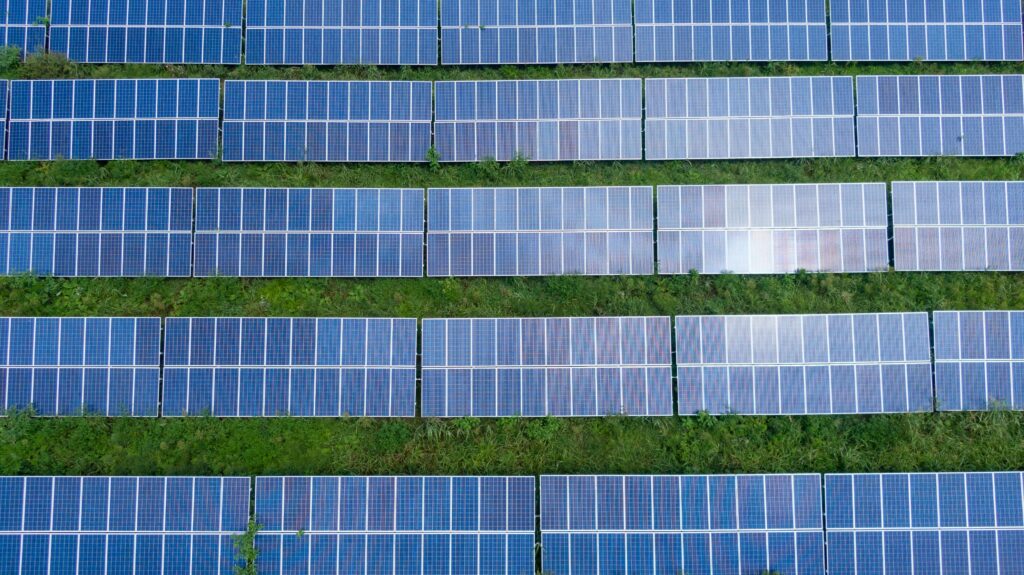
This policy brief highlights three critical energy technologies driving Africa’s just energy transition: e-mobility, decentralised solar systems, and e-waste and second-life batteries (SLBs).
D5.2 Barriers and policy gaps to accelerating the green transition and energy access in Africa
This report covers barriers and policy gaps identified through a literature survey and stakeholder consultations for nine technologies in demonstration and validation countries (referred to as case studies); Productive Use of Solar Energy (PUE), and Electric Mobility (E-mobility) in Kenya, Clean Cooking in Malawi, Second-Life Use of EV Batteries in South Africa, PVs for Household use, and E-mobility in Morocco, Second-life Battery Use as Energy Storage for Solar Photo-voltaic Systems, and Bio-ethanol Technology for Cooking in Ghana, and Solar Irrigation in Rwanda.
Policy Roadmap Toolbox

This policy roadmap presents a comprehensive methodology for developing a roadmap to support the deployment of smart and sustainable energy technologies.
Accelerating Urban Energy Transitions: The Critical Role of Solar PV in Achieving 100% Renewables

This article discusses the transformative potential of solar photovoltaic technology as a vital solution to contemporary energy challenges.
Definition of Technical and Functional Requirements for Energy Innovation

Deliverable D3.2 provides a guideline of the desired functional requirements of the main energy technologies (“energy innovations”) that could possibly be deployed in the Living Labs.
SESA Webinar I – Unlocking the potential of solar energy in Africa

Africa has one of the world’s highest solar energy potential which plays a major role in energy transition and energy access1. Renewables present a great opportunity to not only reduce overall GHG emissions but also make the electricity system more resilient and accessible, a right granted to all communities.
SESA Webinar VI Harnessing the potential of Smart Microgrid Systems

The energy poverty gap in sub-Saharan Africa affects approximately 597 million people, mainly rural households that are too remote from the main grid and are too costly to electrify by extending the main grid, thus posing a major challenge to the socio-economic development of these communities.
SESA Webinar III Increasing access to financing for e-mobility deployment

E-mobility development is garnering momentum across the world. In Africa, this sector is relatively new but has enormous potentials for the transformation of the transport sector to sustainable ways and can help achieve climate change and mitigation objectives at continental and global levels.